You can’t beat a bike for a low-emission (and fun) way to tackle that short distance commute. But for the less-than-fit among us, puffing our way up hilly terrain can be quite the deal-breaker.
Thankfully pedal-assist bikes – or e-bikes as they are now more commonly known – are coming to our rescue.
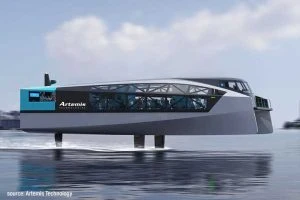
This reinvention of cycling is bringing new advancements to bring down costs of pedal-assisted technology, and even expanding pedal-assisted cycling into the water for the first time (yep, read on).
The classic e-bike uses battery-assisted pedal technology, so you still get the fitness benefits of pedalling, minus all that additional effort on steeper inclines.
In a recent report, research company Deloitte predicted Between 2020 and 2023, more than 130 million e-bikes (using all battery technologies) are expected to be sold, and in 2023, e-bike sales are expected to top 40 million units worldwide.
It says this growth in urban bicycle use could drive profound societal changes, reduce traffic and pollution and improve public health.
“The need for more effective transportation is particularly acute in cities… bikes can pick up some of the slack for shorter journeys.”
Dan Bryan, founder of danbikes.com.au says he’s seen the popularity of e-bikes grow sharply. “As the name suggests, it assists the cyclist while still allowing them to get a varying degree of exercise depending on their fitness level,” he says.
“Most of my e-bike customers say that returning to cycling is much less daunting, especially after many years of sedentary life, using pedal-assist tech, and that they’re able to slowly reduce the amount of electrical assistance needed over time.”